
 ไทย
ไทย 日本語
日本語 Tiếng Việt
 ភាសាខ្មែរ
What Is IT Asset Disposition (ITAD)? How Does ITAD Computer Recycling Work?
IT Asset Disposition (ITAD) provides an effective solution for obsolete computers and electronic equipment that are no longer in use, ensuring that these assets deliver the greatest possible value.
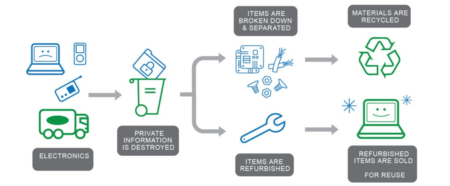
ITAD (Information Technology Asset Disposition) is the secure and responsible management and recycling of IT assets in the digital age. Using modern technology, ITAD protects sensitive data and the environment while turning potential disposal costs into revenue. It also supports the circular economy and helps organizations achieve sustainable development through ESG principles—Environmental, Social, and Governance.
Advanced data-destruction processes ensure that all information stored on your old devices is completely and permanently destroyed in accordance with internationally recognized standards, including methods used by organizations such as NASA and the U.S. Department of Defense. These techniques ensure that no unauthorized person can access your data, while documented evidence and audit trails allow every step of the process to be verified.
Once the data has been securely destroyed, the proper disposal of obsolete or unwanted electronic assets becomes equally important. Safety and environmental responsibility must remain top priorities. An ITAD service provider should not only have expertise in secure data destruction and asset-disposition processes but also know how to maximize the value recovered from IT assets. Environmentally responsible recycling helps reduce costs, minimize expenses throughout the process, and limit waste as much as possible.
Most organizations assign different useful lifespans to their electronic equipment. As a result, many must decide what to do with retired computers, old hard drives, and surplus devices—whether to resell them, send them to a recycling facility, or destroy and dispose of them.
There are many factors to consider when managing electronic media, particularly in countries with laws protecting personal data. Thailand’s Personal Data Protection Act (PDPA) came into effect in 2022. If large volumes of data are disposed of improperly, the remaining information may cause serious problems in the future—resulting in financial losses, wasted time, and potentially a loss of trust and credibility among business partners.
ITAD – Benefits of Proper Electronic Asset Management
- Computers and hard drives are securely wiped and restored to a clean, reusable condition, without the risk of data leakage.
- It establishes responsible e-waste disposal standards that minimize environmental impact.
- It reduces costs and prevents unnecessary loss of asset value.
- It maximizes the value of obsolete or retired electronic assets.
Old computers, hard drives, and laptops can be reused, refurbished, or repurposed without incurring high destruction costs. By choosing an experienced ITAD service provider, you will receive professional guidance and a solution tailored to your organization’s needs.
For expert advice and further information, please contact Asia Data Destruction.
ITAD – The Benefits of Proper IT Asset Disposition
Proper IT asset disposition offers several benefits, including:
- Reducing the risk of personal data breaches: ITAD ensures that data stored on retired IT equipment is securely erased in accordance with recognized data-security standards, reducing the risk of personal information being exposed.
- Generating revenue: Organizations can recover value and generate revenue by reselling IT equipment they no longer use.
- Building organizational knowledge: Managing ITAD enables employees and organizations to better understand the processes involved in managing IT resources throughout their lifecycle.
- Conserving resources: Extending the useful life of IT equipment helps conserve resources and reduces the need to manufacture and purchase new devices.
- Reducing environmental impact: Proper ITAD practices help minimize electronic waste and promote environmentally responsible recycling and disposal.