
 ไทย
ไทย 日本語
日本語 Tiếng Việt
 ភាសាខ្មែរ
Medical & Healthcare Sector: Data Destruction Guidelines for IT Audit Compliance under PDPA, HIPAA, and NIST SP 800-88

In the Medical & Healthcare sector, data management does not end with storage or usage—it also encompasses proper data destruction in accordance with established standards. This is a critical component for supporting IT audits and meeting legal requirements such as PDPA, as well as international standards like HIPAA and NIST SP 800-88.
In the context of hospitals and healthcare organizations, proper hospital data deletion and data destruction is not merely an IT concern—it directly impacts organizational trust, patient safety, and legal risk.
Patient data is classified as highly sensitive information (Sensitive Data). Improper handling can lead to a loss of trust, as well as significant legal and reputational risks for the organization.
.
.
2. What are the key types of sensitive data in hospitals?
Data in the Healthcare sector is classified as Sensitive Personal Data, which requires the highest level of protection. Typical examples include:
- Patient medical records
- Diagnostic test results
- Treatment information
- Health insurance information
- Copies of national ID cards or passports
- Biometric data
These types of information are categorized as Sensitive Personal Data, requiring strict control throughout the entire data lifecycle.
Improper handling or incorrect data deletion can lead to a data breach, resulting in immediate legal consequences and significant regulatory and reputational risks for the organization.
.
3. Why is protecting patient data important?
Protecting data in the Healthcare sector is based on internationally recognized security principles, commonly known as the CIA triad:
- Confidentiality (ensuring information is kept secret)
- Integrity (ensuring data accuracy and completeness)
- Availability (ensuring data is accessible when needed)
This concept aligns with global standards such as ISO/IEC 27001, the NIST Cybersecurity Framework, and NAID certification requirements.
Effective data destruction processes must ensure that availability is not compromised prematurely, while at the same time guaranteeing that confidential data is completely and irreversibly destroyed when it reaches the end of its lifecycle.
.
4. Data Protection Guidelines under PDPA / HIPAA / NIST
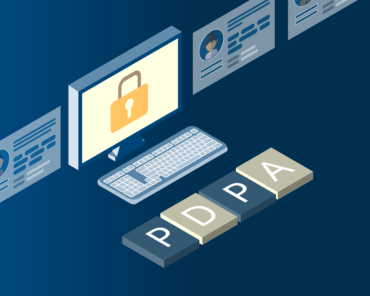
To comply with regulatory and international standards, organizations in the Healthcare sector should implement a structured data protection framework aligned with PDPA, HIPAA, and NIST SP 800-88, as well as broader cybersecurity frameworks such as NIST Cybersecurity principles.
Key requirements include:
- Data Classification
Categorizing data based on sensitivity (e.g., public, internal, confidential, sensitive personal data) - Access Control
Restricting access to authorized personnel only through role-based access control (RBAC) - Data Encryption
Protecting data at rest and in transit using strong encryption standards - Logging and Monitoring
Recording all access and actions on sensitive data to ensure full auditability - Data Retention Policy
Defining clear retention periods to ensure data is not stored longer than necessary
Within this framework, proper data destruction and secure deletion processes are essential to ensure that data is permanently removed once it is no longer required, in compliance with both legal and audit requirements.
.
5. Data Destruction under NIST Media Sanitization Guidelines
NIST SP 800-88 defines data sanitization into three primary levels to ensure data is securely and irreversibly handled:
🔹 Clear
This involves logical data removal using software-based overwriting techniques.
- Data is overwritten so it cannot be easily accessed through standard system functions
- Suitable for internal reuse within an organization
- However, it may still be recoverable using advanced forensic tools in some cases
🔹 Purge
This level provides a higher degree of data sanitization.
- Includes cryptographic erasure (secure key destruction)
- May involve degaussing for magnetic storage devices (HDDs)
- Significantly reduces the possibility of data recovery, even with advanced techniques
🔹 Destroy
This is the most secure level of data elimination.
- Physical destruction methods such as shredding, crushing, or incineration
- Ensures data cannot be recovered under any circumstances
- Commonly applied to end-of-life storage media
.
.
7. Preparing for IT Audit Readiness
Organizations should establish a comprehensive governance and operational framework to ensure readiness for IT audits, including:
- Data Policy (data governance and security policies)
- Standard Operating Procedures (SOPs) (defined operational workflows)
- Operational Records (evidence of execution)
- Asset Tracking System (tracking of IT equipment and storage media)
- Certificate of Data Destruction (formal confirmation of secure deletion)
- Audit Trails / Logs (system records of data access and actions)
- Vendor Management (control and assessment of third-party service providers)
In addition, organizations should perform a Gap Assessment against recognized standards such as:
- NIST SP 800-88
- NAID
This ensures that data destruction and information security practices align with internationally accepted requirements, particularly for hospital data deletion and data destruction processes in highly regulated environments.
.
8. Certificate of Destruction: Required Standard Documentation
A Certificate of Destruction is a critical document used to formally verify that data has been securely and permanently destroyed.
It should typically include the following key elements:
- Device details (Serial Number / Asset Tag)
- Method of destruction (e.g., Clear, Purge, Destroy)
- Date and location of the destruction process
- Name of the responsible operator or service provider
- Authorized signature for verification and approval
- Data sanitization or destruction report results
👉 This document serves as essential audit evidence for hospital data deletion and data destruction processes, ensuring transparency, accountability, and compliance with regulatory and international standards.
.
9. Risks of Improper Data Destruction
Inadequate or missing data destruction controls can lead to significant real-world risks, especially in highly regulated environments such as healthcare.
Common risk scenarios include:
- Hard drives being resold or reused without proper data wiping
- Backup tapes being lost or misplaced without tracking or sanitization
- Cloud data not being deleted in accordance with retention policies
- IT assets being disposed of without certified data destruction processes
These failures can lead to serious consequences, including:
- Data breaches involving sensitive patient information
- Regulatory penalties under PDPA and HIPAA
- Loss of patient trust and organizational reputation damage
- Potential legal liability and audit non-compliance findings
👉 In summary, improper or absent hospital data deletion and data destruction controls significantly increase both operational and legal risk exposure for healthcare organizations.
.
10. Selecting a Data Destruction Service Provider for Healthcare
When selecting a data destruction service provider in the healthcare sector, organizations should evaluate capabilities based on compliance readiness and IT audit support, especially for sensitive environments such as hospitals and clinical systems.
🔹 Required Standards and Certifications
A reliable provider should comply with internationally recognized security frameworks, such as:
- ISO/IEC 27001
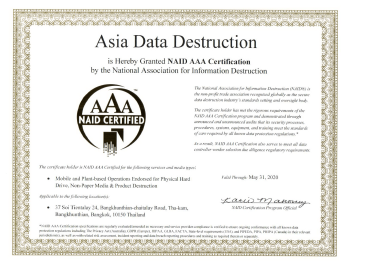
- NAID (including NAID AAA Certification)
- Alignment with NIST SP 800-88
These standards ensure that data destruction processes are secure, controlled, and audit-ready.
🔹 Verifiable and Auditable Processes
The service provider must be able to demonstrate transparent and traceable operations, including:
- Chain of Custody documentation (end-to-end asset tracking)
- Asset Tracking System (real-time or recorded tracking of devices and media)
🔹 Transparency and Compliance Evidence
Strong governance requires clear and structured documentation, such as:
- Standardized Certificate of Destruction
- Item-level destruction reporting (per device or media)
- Supporting operational evidence and audit logs
👉 Providers certified under NAID AAA standards offer higher assurance of secure handling, verified destruction processes, and compliance with global best practices—making them highly suitable for hospital data deletion and data destruction requirements in regulated healthcare environments.
.
Summary
Data destruction in the Medical & Healthcare sector is a critical component of overall data management, particularly in the context of IT audits and compliance requirements. Establishing clear procedures aligned with PDPA, HIPAA, NIST SP 800-88, and NAID enables organizations to effectively reduce risks and enhance confidence across all stages of data handling.
For organizations currently evaluating data destruction strategies or preparing for IT audit readiness, starting with a clear understanding of the appropriate frameworks and implementing verifiable, auditable processes is a key step toward strengthening overall data governance and security maturity.
For further consultation or to assess a suitable approach for your organization, you may contact the expert team at:
contact@asiadatadestruction.com